Ghana and the Neighbourhood
Ghana's foreign affairs is the outward-facing work of the Ghanaian state: the embassies, treaties, trade lanes and security channels that connect Accra to the Middle East, Turkey, Eurasia and the Horn of Africa, and inside that web the Gulf exporters, the Nile states and the Black Sea powers form the most consequential links. Ghana holds no land border on that region and keeps no standing military presence there, so its ties run through 3 named corridors instead of geography: migration, trade and diaspora finance, each managed by a ministry, an embassy or a standing treaty. This page classifies those links the way the States & Bilaterals desk of this site does, moving from the diplomatic machinery outward to the commercial and public-facing layers that sit under it.
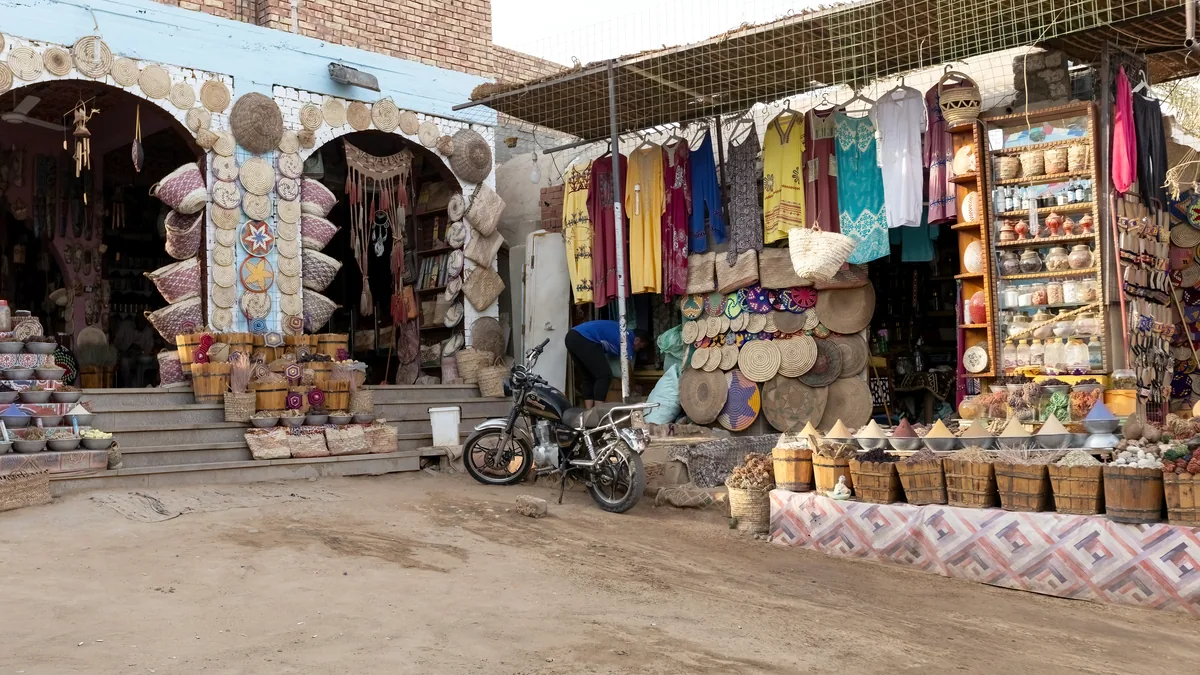
Two clarifications keep the rest of the page straight. First, Foreign policy on this site means the state's outward conduct, treaties, embassies, sanctions posture and trade deals, and every section below uses the term in that sense rather than as a magazine name, a committee label or a brand. Second, the commercial lane is separate from state business: in Ghana, Foreign Auto Sales and Service is what car dealers and importers advertise for the sale and maintenance of used European, American and Japanese vehicles, a private retail activity that carries no government mandate, and the final section keeps that lane out of the diplomatic record so readers never have to sort it themselves.
The Diplomatic Machinery
The diplomatic machinery of Ghana's foreign affairs runs through the Ministry of Foreign Affairs and Regional Integration, which fields more than 30 diplomatic missions across Africa, the Middle East, Europe and North America and answers the first question every partner asks: where does Accra actually reach? The ministry's Middle East footprint concentrates in 4 anchor capitals, Cairo, Riyadh, Ankara and Abu Dhabi, and each embassy carries a trade attaché, a consular section and a security desk. The consular work is where diaspora finance becomes visible: Ghana's remittance inflows, one of the largest in West Africa and measured in the low billions of dollars a year, pass through those consulates and the Bank of Ghana's clearing channels before landing in housing, schooling and small enterprise. The state layer itself is not a single desk but 4 standing instruments: the multilateral frame, in which Ghana co-founds and co-funds the African Union and carries that seat into bilateral talks as leverage; the bilateral treaty, a written deal with one partner on one issue, such as a trade pact or a mutual legal assistance agreement; the security channel, where the African Standby Force and the Union's migration task force let Accra contribute to, or request, peacekeeping and migration support; and the economic corridor itself, the flow of goods, capital and people that the first 3 instruments are built to steer.
The Gulf Corridor
The Gulf corridor of Ghana's foreign affairs is the trade lane between Accra and the exporters of oil, gas, food and capital, and its 4 anchor states are Egypt, Saudi Arabia, the United Arab Emirates and Qatar, with Turkey reaching into the same lane from its Black Sea side. Egypt leads on volume and on history: the two states opened diplomatic relations in 1957, within weeks of Ghana's independence, and today Egyptian grain, cement and construction firms are regular fixtures at Ghanaian ports while Ghanaian cocoa, gold and timber flow the other way. Saudi Arabia anchors the labour and remittance track, where tens of thousands of Ghanaians work in construction, trade and hospitality and send wages home each month through the consular section in Riyadh. The United Arab Emirates adds investment, with Emirati capital in Ghanaian real estate, banking and logistics since the 1990s and one of the larger Ghanaian merchant communities in the Gulf resident in Dubai. Qatar rounds out the 4 with air connectivity and with development finance that has backed Ghanaian infrastructure tenders. Turkey completes the lane commercially rather than geographically: Ankara's importers and logistics firms extend the same trade logic across the Bosporus, and Turkish construction and defence companies hold visible contracts in Accra.
| Partner | Channel | Anchor year | What moves |
|---|---|---|---|
| Egypt | Trade and labour | 1957 | Grain, cement, construction; cocoa and gold in return |
| Saudi Arabia | Labour and remittances | 1957 | Workers, wages, consular services |
| United Arab Emirates | Investment | 1990s | Real estate, banking, logistics capital |
| Qatar | Air links and development finance | 2000s | Airline seats, infrastructure tender funding |
| Turkey | Trade, construction, defence | 2000s | Building contracts, logistics, trade goods |
The Nile Spine: Egypt and Ethiopia
The Nile spine of Ghana's foreign affairs runs along the western shore of the Red Sea, and its 2 defining cases are Egypt, the trade partner, and Ethiopia, the regional power on the Horn. Egypt's role is commercial and historical, as the table above shows, and it doubles as a training ground, with Egyptian and Ghanaian officers exchanging students and the two militaries running joint exercises. Ethiopia is the harder question, because it neighbours the states this site covers and it tests how a West African middle power behaves toward a Horn giant. Accra's position is 3-part. First, trade with Addis Ababa stays open on goods and services, including the aviation and logistics links that run through the Ethiopian Airlines network. Second, on the Grand Ethiopian Renaissance Dam Ghana, like most of the African Union, presses for a negotiated settlement among Ethiopia, Egypt and Sudan rather than siding with any one bank of the Nile, a posture that keeps its options open with all 3 riparian states. Third, the Horn's security files, from migration to piracy, are treated as shared African problems that the Union should lead, so Ghana engages Addis Ababa through the Union's machinery as much as through its own embassy. The net effect is a balanced lane: deep with Cairo, careful with Addis, anchored in the Union throughout.
Turkey, the Black Sea Edge and the Ukraine File
Turkey, the Black Sea edge and the Ukraine file of Ghana's foreign affairs mark where Accra's contacts with the region reach past trade into great-power management. Turkey is the closest analogue to a full strategic partner: the two states opened diplomatic relations in 1957, Turkish companies hold construction and defence contracts in Ghana, and Ankara has supplied training and equipment to Ghanaian security forces, a relationship that has survived Turkish political turbulence because it is commercial at the core. The Black Sea edge is where Turkey sits on the Ukraine conflict, and Ghana's posture there is the cleanest statement of its regional doctrine. Accra has voted with the United Nations in favour of Ukraine's territorial integrity, condemned the invasion and kept its trade with Moscow limited, while refusing to join Western sanctions packages in full, a position shared across much of the Global South. The logic is 2-part: Ghana's foreign affairs treats the war as a European territorial matter that African states should not fund with their own food and energy prices, and it keeps the door open to both Kyiv and Moscow so that grain can still move out of Black Sea ports, which keeps West African food prices lower. The practical output is small but real: Ghanaian officials participate in the United Nations' food security dialogues on the conflict, and Ghanaian humanitarian aid to Ukraine has moved through those same channels since 2022.
The Public-Facing Layer
The public-facing layer of Ghana's foreign affairs is where the state's outward business meets the search habits of the public, and it sorts into 4 kinds of confusion, each answered once here. The magazine: the Foreign Affairs brand that surfaces in news and podcast searches is a New York journal of international policy published by the Council on Foreign Relations, and it has no institutional tie to the Government of Ghana, though readers in Accra use it as a standard reference on the same Middle East files this site covers. The committee: searches for a foreign affairs house committee usually land on the United States House Foreign Affairs Committee, an American legislative body that reviews Washington's policies, not Accra's, and Ghana has no single equivalent chamber committee, with legislative oversight sitting instead inside the National Assembly's standing committees on foreign affairs and on defence. The university: Johns Hopkins, home of the School of Advanced International Studies and of the Hopkins Center for Africa, produces much of the published research on Ghana, Ethiopia and the Sahel that policymakers in both Accra and Washington read, and its Africa programs are the reason Hopkins and foreign affairs surface together in academic searches. The media: the Family Guy references in search logs are clips from the American animated sitcom, and the login queries are requests for subscriber accounts to the journal or to ministry portals, neither of which is a Ghanaian institution. What is genuinely Ghanaian in this layer is the commentary circuit: the country's diplomatic files appear in the region's best foreign affairs podcasts, in the journalism of named authors covering the Gulf, the Nile and the Black Sea, in the ministry's own briefing pages, and in the careers office of the ministry, where foreign service jobs are advertised and filled, the domestic endpoint of the outward work described in every section above.